August 4, 2026
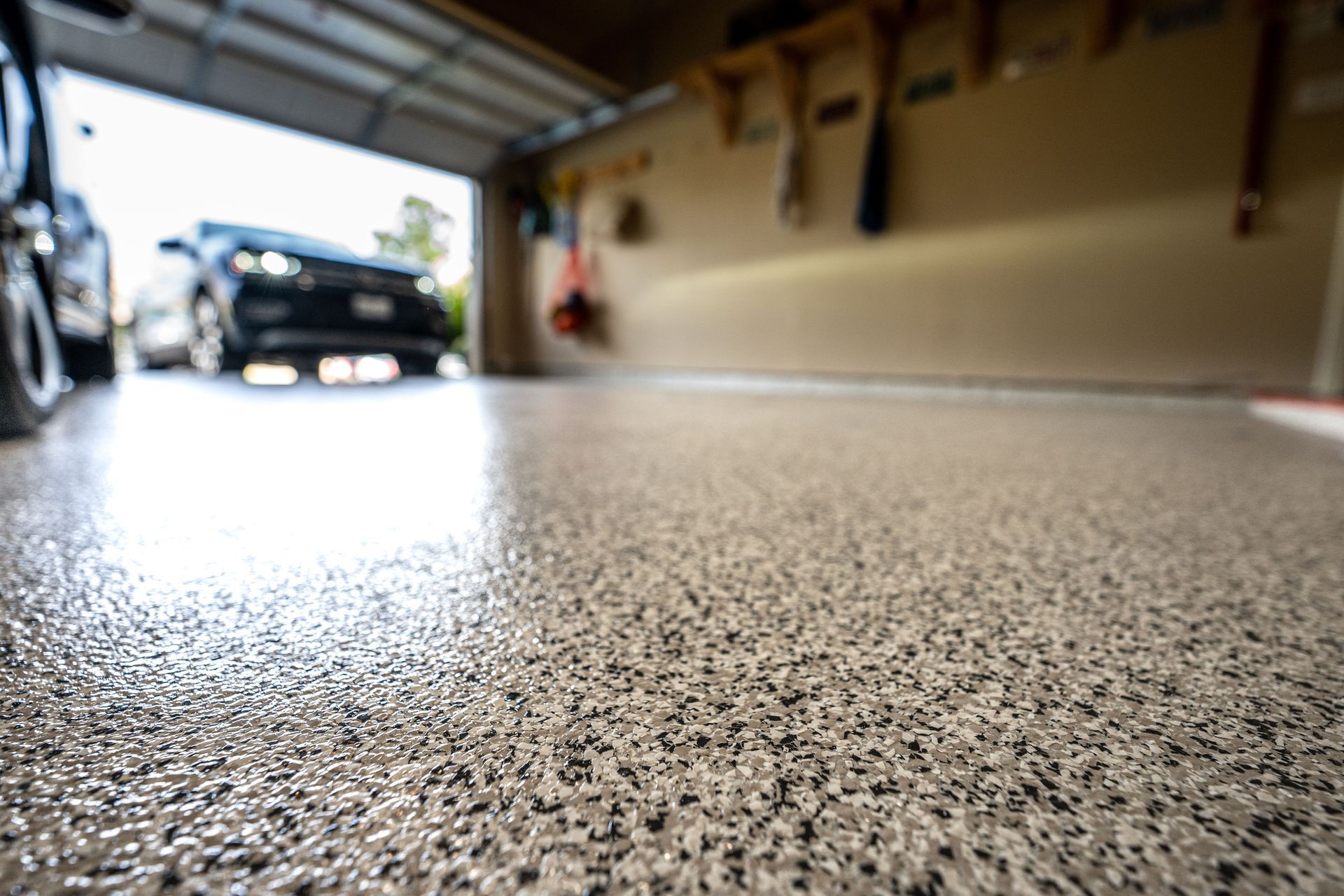
Epoxy flooring is the ultimate glow-up for any residential garage, turning a drab concrete slab into a sleek, chemical-resistant powerhouse. But while this seamless surface is famous for its showroom shine and incredible durability, it isn't completely bulletproof—even the toughest residential finishes need a little TLC to stay pristine. Many local epoxy flooring companies emphasize that a proper care routine is essential if you want to maximize your home investment, prevent unsightly scratches, and keep that brilliant gloss from dulling over time. Here is everything you need to know about keeping your home garage epoxy floors spotless, starting with the core reasons these systems are worth protecting in the first place.
Why Choose Epoxy Flooring?
One of the primary benefits of home garage epoxy flooring is its enhanced durability compared to traditional concrete floor coverings or standard floor paints. Epoxy can resist significant amounts of wear and tear, making it ideal for a high-traffic residential area like a family garage. This durability emancipates homeowners from frequent repairs and touch-ups that other flooring options might require. Additionally, epoxy flooring is resistant to chemicals, which is a crucial advantage for garage environments where oil, antifreeze, and other automotive substances might spill. This attribute prevents staining and extends the lifespan of the floor.
Over and above its practical advantages, epoxy flooring can increase the value of a home due to its modern appeal and long lifespan. According to This Old House, epoxy garage floor coatings' lifespans typically range from 10 to 20 years. This longevity ensures homeowners receive excellent value for their residential investment over time. The floor’s performance is also backed by its ability to withstand sudden impacts, like dropped tools or heavy equipment, without cracking. These combined benefits make epoxy the preferred choice for residential property owners seeking sustainable, long-term garage flooring solutions from professional epoxy flooring companies.
Why Maintenance Matters?
Regular maintenance of your home's garage epoxy flooring is paramount to safeguarding its appearance and functional benefits. Routine cleaning removes dirt, dust, and outdoor debris tracked in by vehicle tires, reducing the risk of scratches that can dull the surface. Establishing a household maintenance schedule that includes sweeping, mopping, and occasional deep cleaning can effectively maintain its shine. Preventative measures, such as the use of high-quality floor mats at entryways and avoiding dragging heavy objects across the floor, complement these cleaning efforts. Together, these actions ensure the longevity of the flooring while preserving its attractive finish.
Neglecting periodic maintenance can result in premature degradation of the residential epoxy surface. Stains and chemical damage can start impacting the floor's aesthetics and performance if household spills are not addressed promptly. Systematic inspection and immediate repairs of any developing issues, such as minor chipping or bubbling, are crucial in preventing further damage. Leading epoxy flooring companies note that regular maintenance facilitates early intervention, ensuring minor garage problems don’t escalate into significant repairs. Consequently, this proactive approach not only saves costs in the long run but also maximizes the floor's lifespan and visual appeal.
What Cleaning Supplies to Use?
Choosing the right cleaning supplies for your residential epoxy floor is essential for maintaining its appearance and longevity. Using soft-bristled brooms or dust mops helps remove loose particles without scratching the surface. For wet cleaning, a microfiber mop paired with gentle, non-abrasive cleaners, such as diluted ammonia or specialized household floor solutions, can effectively cleanse the floor. Avoid using harsh chemical degreasers or acid-based cleaners (like vinegar), as they can slowly erode and dull the epoxy surface. Following a careful selection of cleaning tools and agents ensures that the surface remains glossy and free from damage.
Specific cleaning products are designed to enhance garage epoxy floors without compromising their durability. For example, specialized floor cleaners with neutral pH levels cleanse thoroughly, offer shine, and do not strip the protective coating. Investing in these products can pay dividends in maintaining the floor's luster over time. While everyday household cleaners may seem convenient, they can inadvertently compromise the surface through harsh formulations. It's critical to adhere to manufacturers' guidelines and recommendations regarding approved cleaning agents to ensure appropriate residential care, a sentiment shared by top-rated epoxy flooring companies.
Additionally, certain cleaning tools can aid in making the home cleaning process more efficient and effective. While commercial spaces use large automatic floor scrubbers, a quality microfiber mop or a simple squeegee system is perfectly compatible with home garage floors to expedite the cleaning of the area. Unlike rough manual scrubbing with abrasive pads, these gentle tools apply consistent coverage across the surface, avoiding localized damage or excessive wear. Employing high-quality cleaning materials from the outset prevents sediments and driveway debris from being ground into the epoxy. This prevents any disruption to the seamless and polished appearance that is a hallmark of well-maintained garage floors.
How to Clean Step-by-Step?
Once the initial curing period indicated by your chosen epoxy flooring companies is over for a new floor, or when it is simply time for a seasonal deep clean, an effective cleaning process begins with a thorough dusting of the surface. Use a soft-bristled broom or a wide dust mop to remove loose dirt and debris, which can scratch the floor underfoot. Ensuring every inch of the surface is free from loose grit minimizes the risk of damage during subsequent steps. Once the initial sweep is complete, prepare a cleaning solution using warm water and a neutral, non-abrasive cleaner.
Wet mop the garage floor using a microfiber mop, applying the cleaning solution evenly across the entire surface. It's essential to rinse the mop frequently in a bucket of clean water to avoid reapplying lifted dirt back onto the floor. This helps in maintaining the ultimate cleanliness and shine of the epoxy surface. For stubborn stains or tire marks, allow the cleaning solution to sit briefly before gently scrubbing with a soft nylon pad. Rinsing with clean water afterward ensures no residue is left behind, which could attract more dirt.
Finally, ensure the garage floor is thoroughly dried using soft cloths or by allowing sufficient ventilation for natural air drying. Leaving water on the surface for extended periods may result in cloudiness or create temporary slip hazards in your home. Moreover, ensuring no standing water is present helps in maintaining the sleek and attractive appearance of the epoxy. Observing these cleaning steps diligently is imperative for developing good home maintenance habits. This not only protects your investment but also ensures continued enjoyment of a clean and polished garage environment.
What are the Best Methods for Drying?
Proper drying and ventilation techniques are important to ensure that no excess moisture remains on a home garage epoxy floor after cleaning. A good practice is to dry mop or use a floor squeegee immediately after wet cleaning to remove water that could settle in low points or corners of the garage. Utilizing household fans or opening the main garage doors can significantly expedite the drying process through improved air circulation. In areas with high humidity, adding a dehumidifier to the space temporarily can help control moisture levels to prevent any long-standing dampness. These practices ensure the floor maintains its sheen and reduce the risk of mold or mildew development in storage areas.
Practical planning when cleaning home garages ensures that drying time fits conveniently into your regular family schedule. Scheduling your cleaning during the garage's least active periods, when foot and vehicle traffic is minimal, makes it easier to allow appropriate drying time post-cleaning. Avoid stepping on the wet surface too soon, as footprints or impressions may mar the epoxy’s shine. These precautionary measures maintain the aesthetic and structural integrity of the residential floor, ensuring that the epoxy maintains its protective qualities and looks appealing over the years.
A garage epoxy floor is only as good as the care it receives. By swapping out harsh, abrasive chemicals for gentle, pH-neutral solutions and committing to a routine of regular sweeping and proper drying, you can easily preserve that pristine finish for decades to come. With the right tools, a little consistency, and advice from professional epoxy flooring companies, keeping your garage's shine alive is a project any homeowner can handle. To get professional care started on your flooring, or to install new epoxy flooring, reach out to the epoxy pros over at West Michigan Garage Interiors today.