November 10, 2026
Upgrading your home involves paying attention to overlooked spaces to maximize utility. Transforming a dull concrete surface into a durable surface protects the foundation and makes the space pristine. Quality garage floor coatings extend the lifespan of the flooring by preventing severe wear. Selecting the right option requires exploring available materials, assessing space requirements, understanding application procedures, and considering routine upkeep. Navigating these choices ensures a tailored approach to protecting your property.
Evaluating Coating Options
Epoxy and polyurethane solutions dominate the market due to their resilience and adaptable characteristics. Epoxy is renowned for robust protection and structural integrity. According to ScienceDirect, an epoxy coating operates as a two-part system containing resin and a hardener that combine to form a tough surface highly resistant to chemicals and solvents. This makes it ideal for areas facing heavy wear. Polyurethane offers flexibility, allowing it to withstand temperature fluctuations without cracking. It resists ultraviolet light effectively, preventing the surface from yellowing when exposed to direct sunlight.
Acrylic and polyaspartic options serve different purposes for property owners. Acrylic presents an economical choice for homeowners seeking a quick upgrade without a massive commitment. It goes on easily but provides less protection against harsh wear than heavier materials. Polyaspartic solutions cure rapidly, allowing for fast project completion. They handle extreme temperature variations effectively and resist severe stains. Though the initial investment is higher, their longevity and durability make them highly advantageous for ambitious remodeling projects requiring steadfast reliability.
Concrete stains offer another avenue for those focused on visual enhancements rather than physical protection. Stains penetrate the porous concrete to create vivid designs driven by chemical interactions with the substrate. While lacking the protective barrier of thick resins, adding a clear sealant helps guard against moisture and abrasions. When reviewing various garage floor coatings, balancing desired visual outcomes with functional requirements ensures lasting success. Each option provides distinct benefits, whether you prioritize aesthetic charm, robust protection, or rapid turnarounds.
Assessing Space Requirements
Understanding the types of vehicles occupying the space is crucial for making an informed decision. Heavy trucks demand resilient surfaces capable of withstanding massive loads without cracking. Lighter vehicles or occasional parking situations might only require basic protection. Fluid leaks or tire wear from motorcycles and commuting cars necessitate a surface that actively resists chemical damage and dark staining. Tailoring the choice to your vehicular habits enhances usability and prevents premature degradation of the finish.
Regional climatic conditions and environmental factors play a significant role in determining suitable garage floor coatings. Freezing winters and scorching summers require materials that manage constant expansion and contraction seamlessly. Humid environments demand excellent moisture barriers to prevent water infiltration and maintain surface integrity against mold. Choosing a resilient material based on localized climatic settings helps preserve the structural condition of the concrete across harsh, changing seasons, ensuring the surface remains intact regardless of weather extremes.
Anticipating daily traffic and measuring existing moisture levels prevent disastrous application failures. High-traffic areas subjected to constant foot movement need robust resistance against surface abrasion. Workspaces benefit immensely from surfaces that protect against accidental spills from tools and harsh equipment. Moisture levels in basements or ground-level slabs can lead to blistering if not managed properly with vapor barriers. Adopting proactive strategies to regulate dampness ensures effective adhesion and maintains long-term structural performance.
Preparing the Surface
Thorough surface preparation forms the cornerstone of any successful project, establishing a sound foundation for permanent adhesion. Preparing the concrete involves rigorous cleaning to eliminate dirt, oil, and contaminants that interfere with chemical bonding. Effective stripping of existing finishes ensures the new material adheres seamlessly without creating uneven textures. Meticulous attention during this critical phase prevents frustrating issues like peeling, flaking, or bubbling from ruining the aesthetic result.
Executing necessary repairs and profiling the concrete guarantees a flawless finish, which is crucial for aesthetic appeal and practical function. Filling structural cracks and smoothing rough areas creates an even canvas for the liquid product. Mechanical grinding physically profiles the concrete, opening the microscopic pores to allow deep penetration of the base layers. This required step addresses variances in surface types and tailors the exact preparation to support an array of liquid materials effectively.
Priming the raw concrete supports optimum adherence and structural resilience, wrapping the preparation process with a heavily fortified base. This stabilizing layer seals the porous concrete and prevents outgassing, which can cause unsightly air bubbles to emerge in the final topcoat. Engaging in these preparatory measures establishes a vital support system for garage floor coatings. A well-prepared concrete foundation validates the initial investment with enduring structural returns and a smooth finish.
Applying the Product
The application phase requires precision and careful attention to technical details. Many high-performance materials rely on complex chemical reactions that begin the moment raw ingredients blend. Accurate mixing ensures the resulting chemical compound cures correctly and achieves maximum strength. Installers must work efficiently, as the pot life of these specialized products dictates a limited window before the liquid material hardens permanently inside the mixing container.
Once mixed properly, the reactive substance is spread evenly across the prepared concrete using squeegees and nap rollers. Achieving a uniform thickness guarantees consistent physical protection and a seamless appearance. Installers often apply successive thin layers rather than a thick application to enhance overall structural integrity. This rolling technique reinforces the durability of premium garage floor coatings against heavy physical impacts, dropped tools, and strenuous daily vehicular wear.
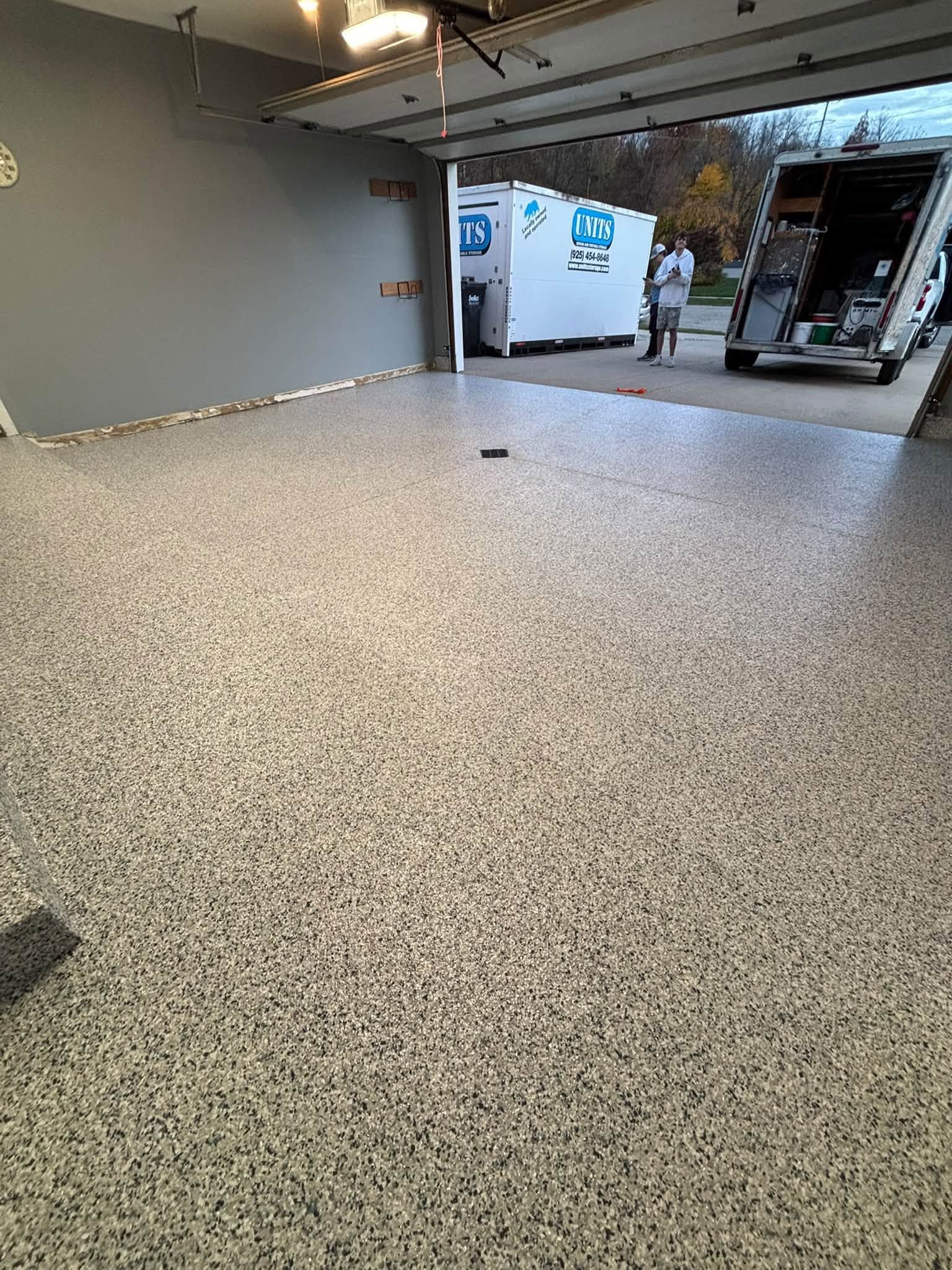
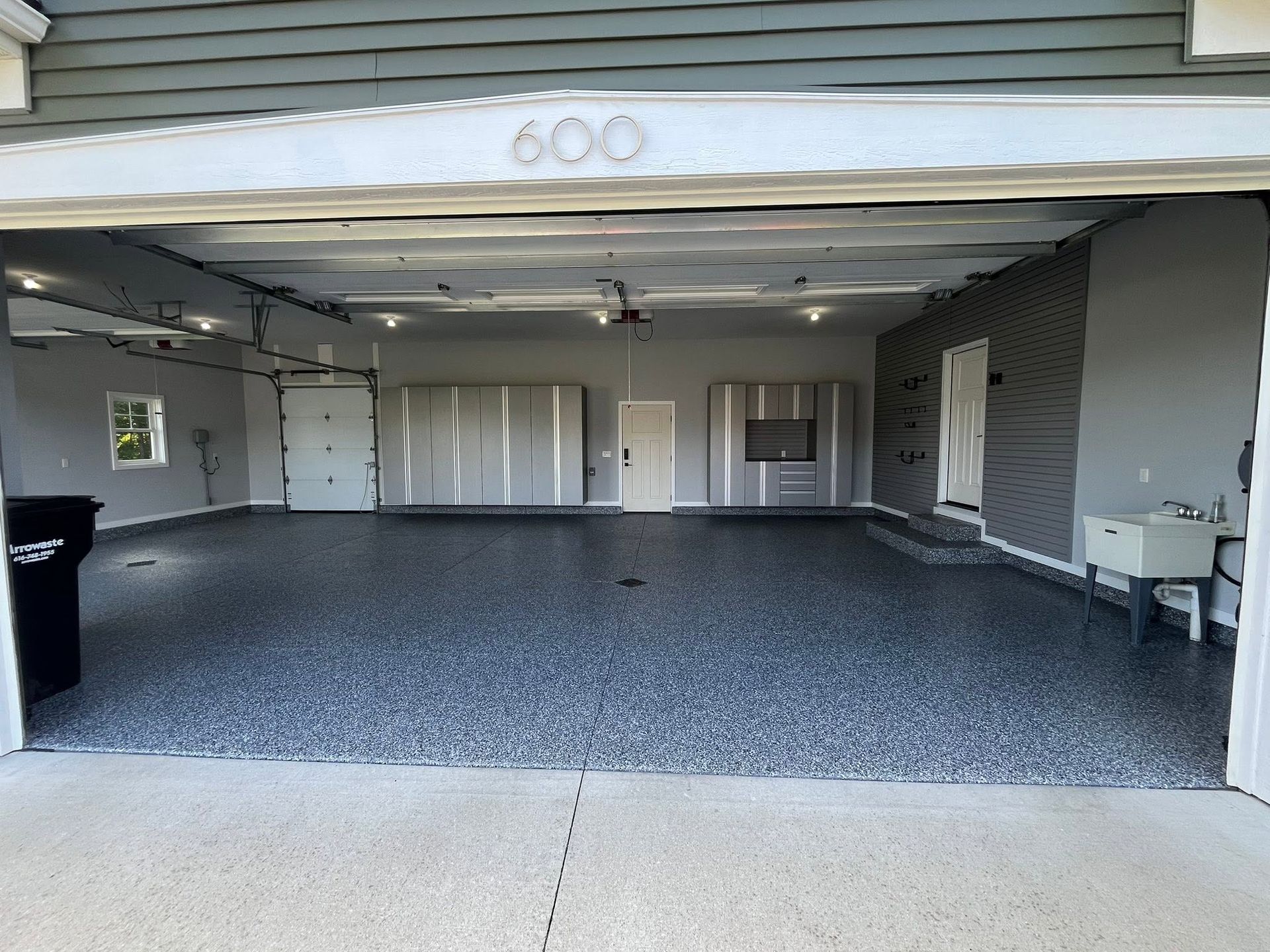
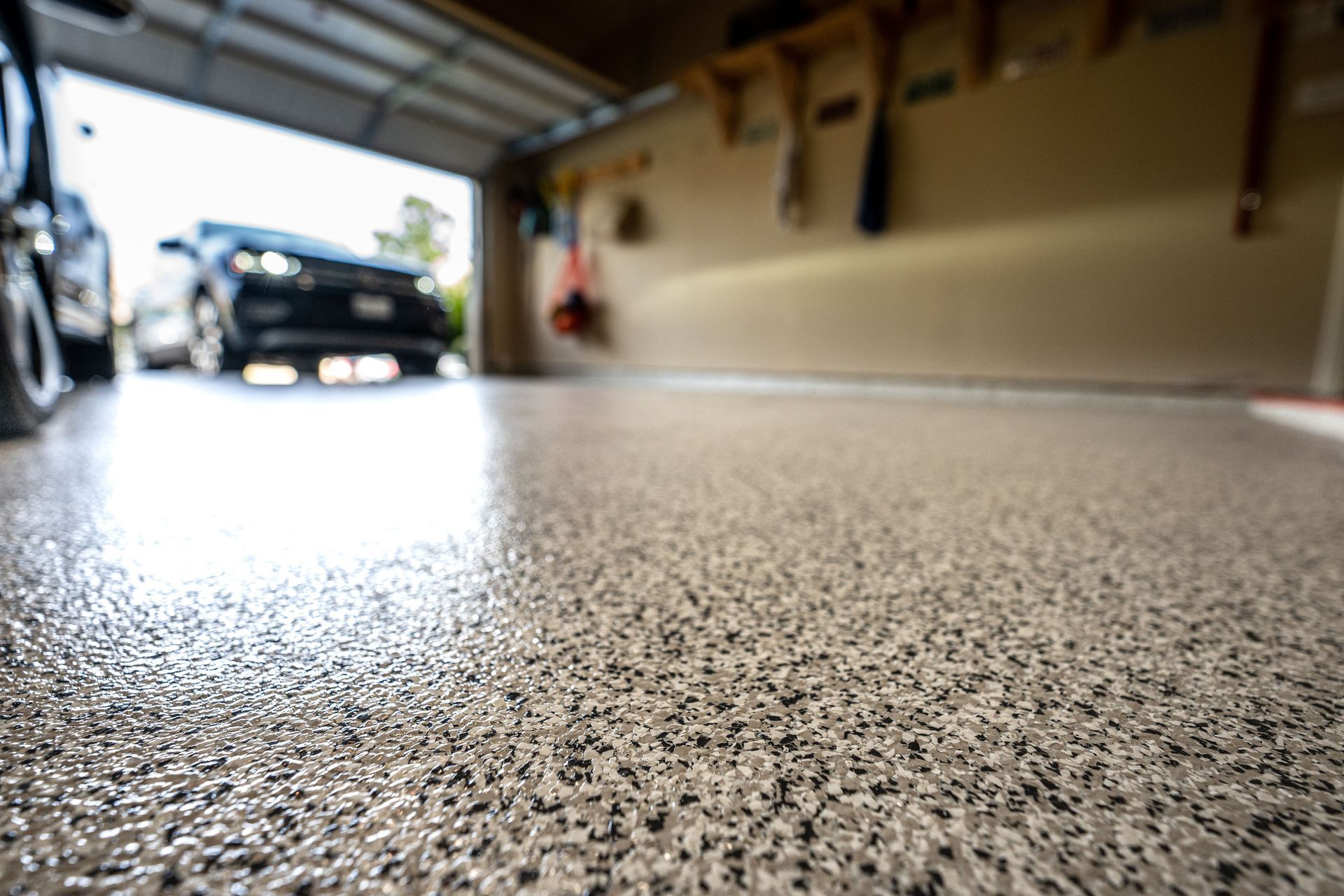
During the active application of the wet base layer, decorative chips or slip-resistant aggregates can be broadcast generously across the surface. These physical additions provide stunning visual interest and improve pedestrian safety by increasing foot traction. The floor must then cure completely undisturbed, allowing the internal chemical bonds to solidify and harden completely. Proper ventilation and strict temperature control during this vulnerable curing phase remain absolutely vital to achieving a flawless finish.
Maintaining the Floor
Keeping the newly transformed space in immaculate condition requires establishing routine maintenance habits. Regular sweeping removes abrasive dirt and small rocks that could scratch the glossy finish over time. Occasional mopping with a mild, pH-neutral cleaner gently lifts stubborn dirt without degrading the clear protective layer. Avoiding harsh chemical cleaners prevents premature dulling and ensures the vibrant surface remains pristine and highly reflective for many seasons of heavy use.
Despite the impressive stain resistance of quality synthetic materials, addressing accidental spills promptly prevents permanent discoloration. Wiping up automotive fluids, engine oils, and household chemicals immediately protects the integrity of the clear finish. Using a soft microfiber cloth or simple paper towel is usually sufficient for clearing away fresh liquid spills. This proactive cleaning approach minimizes the need for rigorous physical scrubbing and keeps the entire area looking professionally maintained.
Protecting the glossy finish from unnecessary physical stress extends its functional lifespan significantly. Placing rubber mats under heavy stationary equipment or motorcycle kickstands effectively distributes weight and prevents localized gouging. Dragging heavy wooden boxes or metal items directly across the concrete should be avoided to prevent carving deep scratches. Implementing these simple protective measures ensures that garage floor coatings continue to deliver exceptional performance and striking visual appeal indefinitely.
Selecting the ideal protective solution for your concrete surface transforms the space into a clean, highly functional, and visually attractive environment. By assessing vehicular usage, local climate conditions, and daily maintenance requirements, you can choose a finish that aligns with your lifestyle. Proper preparation and careful application guarantee that the effort yields lasting durability and immense satisfaction. The right garage floor coatings not only protect your property but also elevate its overall aesthetic value. If you are ready to upgrade your space, contact us at West Michigan Garage Interiors so we can design and install the perfect floor for your home.